
Human Rights and Labor Practices

Goal and Performance Highlights



Supporting the SDGs
Stakeholders Directly Impacted

Commitment and Target
Sikarin Public Company Limited is committed to respecting human rights and maintaining fair labor practices across all processes related to healthcare services and business operations throughout the value chain. The Company recognizes that human dignity, equality, non-discrimination, and a safe working environment are essential foundations of quality healthcare services, and are directly linked to patient safety, service user confidence, and the long-term sustainability of the organization.
The Company’s scope of implementation covers employees at all levels, medical personnel, support staff, contractors, suppliers, service users, communities, and relevant stakeholders. The Company aims to ensure that its operations are aligned with applicable laws, labor standards, human rights practices, and governance principles appropriate to the hospital business context.
For the Company, labor practices, as well as diversity and inclusion, are important elements that are connected under the framework of respect for human rights and appropriate people management. The Company therefore places importance on advancing these issues continuously and in an integrated manner, including non-discrimination, the creation of appropriate opportunities, the maintenance of a suitable working environment, and the promotion of an organizational culture that respects differences.
Challenges and Opportunities
Sikarin Public Company Limited faces challenges in managing labor within the healthcare industry, where fairness must be a core consideration due to the high demand for skilled professionals and working hours that could impact employees’ quality of life. The industry must also address expectations from stakeholders, including investors, regulatory agencies, and sustainability rating organizations, all of whom place significant importance on human rights disclosures and labor practices, as well as on managing risks related to labor rights violations. Creating a diverse and equitable working environment remains a challenge. While there is increasing acceptance of gender, racial, age, and physical ability diversity, developing an organizational culture that genuinely embraces and practices equality still requires ongoing advancement.
Nonetheless, Sikarin Public Company Limited sees opportunities to lead in fair labor practices, which would help foster a positive work environment, reduce employee turnover, and enhance the Company’s competitiveness in attracting top talent. Having clear human rights standards and strictly adhering to ethical business practices further strengthens the Company’s reputation as a socially responsible organization and builds trust among all stakeholder groups. Additionally, promoting diversity and inclusion helps elevate the organizational culture, enabling employees to collaborate effectively and encouraging innovation that drives long-term sustainable development.

Management Approach and Value Creation
Sikarin Public Company Limited is committed to protecting and promoting human rights and fair labor practices across all aspects of its business operations. The Company adheres to international standards such as the Universal Declaration of Human Rights (UDHR), the United Nations Guiding Principles on Business and Human Rights (UNGPs), and the conventions of the International Labour Organization (ILO) to ensure that its business operations promote fairness, safety, and respect for the dignity of all employees. Sikarin emphasizes fair treatment of employees by providing appropriate compensation and benefits, supporting freedom of association, and preventing child labor, forced labor, and discrimination in employment practices.


The Company’s human rights and labor practices emphasize respect for human dignity, equality, non-discrimination, and fair treatment of personnel. This covers employment, compensation and welfare, capability development, working environment, prevention of harassment, and respect for the rights of relevant stakeholders.
The Company does not support the use of child labor, forced labor, or illegal migrant labor, and places importance on operating in accordance with applicable laws and relevant labor standards. The Company also promotes responsible practices among parties in the value chain, in line with respect for human rights and appropriate labor practices.


The Company conducts human rights risk assessments to identify, assess, and monitor issues that may affect relevant stakeholders across its own operations and value chain, covering own operations, contractors, and tier 1 suppliers. This process forms part of the Company’s human rights due diligence approach, enabling the Company to understand potential risks arising from job characteristics, working environments, and business relationships related to hospital operations.
In 2025, the Company assessed 2 out of 3 own operations, or 67%, and assessed 294 contractors and tier 1 suppliers, representing 30% of the total. No significant human rights risks were identified. Nevertheless, the Company continues to place importance on monitoring, process review, and the further development of its assessment system to improve coverage and effectiveness, so that human rights management can respond appropriately to changing risk contexts.
The assessment also helps the Company link human rights issues more clearly with risk management, supplier governance, and internal process improvement, particularly on issues related to labor, safety, non-discrimination, and the working environment of those involved in the Company’s operations.

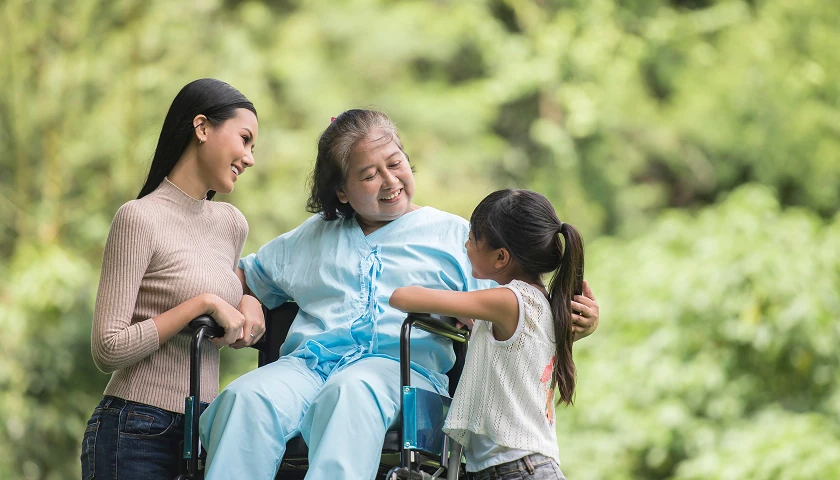
The Company places importance on preventing child labor, forced labor, and illegal migrant labor in all operational processes. It also treats all personnel equally and without discrimination, regardless of gender, age, religion, race, nationality, disability, social status, or any other difference unrelated to work capability.
In 2025, the Company found no cases of human rights violations, reflecting its continued attention to labor and human rights governance. The Company remains committed to communicating appropriate practices to employees and relevant parties, so that respect for human rights is implemented concretely in daily work.

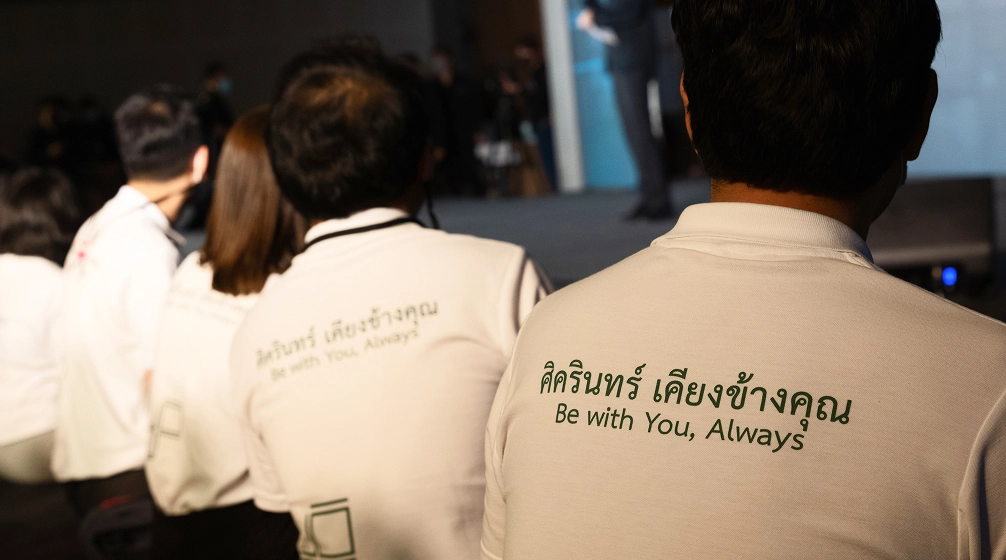
The Company places importance on fair labor practices, covering employment, compensation and welfare, capability development, performance evaluation, employee engagement, and the creation of a working environment appropriate to the nature of work of each employee group.
In the context of the hospital business, personnel are the foundation of quality healthcare services and service user trust. The Company therefore promotes continuous people development, including professional skills, collaboration, understanding of service standards, and work practices based on safety and ethics. This enables personnel to grow together with the organization and support the delivery of quality healthcare services.
The Company’s people management is also connected to the continuity of healthcare services, as hospitals require personnel who are ready to work, have appropriate skills, and operate in a working environment that supports safe and efficient service delivery. Systematic labor management is therefore both a human resources mechanism and an important mechanism for maintaining the Company’s service quality.


The Company places importance on providing appropriate and fair compensation and welfare for employees, taking into account job characteristics, responsibilities, capabilities, performance, and applicable legal requirements. This supports employees’ quality of life, motivation, and ability to perform their duties effectively in the context of a hospital business that operates continuously.
In addition to compensation and welfare, the Company also emphasizes capability development and career advancement opportunities for employees through the promotion of learning, job-related skills development, collaboration, and support for employees to grow according to their potential. These efforts help strengthen workforce readiness, enhance service quality, and support the long-term retention of capable personnel.


The Company promotes an organizational culture that respects diversity, equality, and appropriate inclusion. It aims to ensure that all employee groups are given opportunities to work, develop, and grow based on their capabilities, potential, and performance.
In 2025, female employees accounted for 84.73% of total employees, reflecting the workforce structure of the healthcare service business and the important role of female personnel in driving the Company’s service quality. The Company remains committed to ensuring that all employee groups are treated appropriately and fairly based on the principle of non-discrimination.


The Company views employee quality of life and well-being as human capital that directly affects patient safety, service user experience, and the ability to maintain healthcare standards over the long term. The Company therefore places importance on employee well-being through welfare, working environment, capability development, internal communication, and employee engagement.
In 2025, the employee engagement survey result was 84.75%. This information is used by the Company to support the development of people management approaches, employee motivation, and an organizational culture that promotes participation, responsibility, and mutual growth between employees and the organization.


The Company continuously promotes communication and employee engagement to ensure that employees understand the Company’s approach to human rights, labor practices, non-discrimination, safety, and a working culture that respects one another.
The Company also supports activities that strengthen relationships, collaboration, and unity within the organization, enabling personnel to participate in driving the organization and to feel part of the Company’s long-term development.


The Company respects employees’ rights to express opinions, provide suggestions, and participate in organizational development through appropriate channels and processes. The Company aims to enable employees to express views, concerns, or suggestions related to work in a constructive and safe manner, within the framework of applicable laws, regulations, and the Company’s practices.
Listening to employee opinions helps the Company understand issues arising from actual work practices and use such information to improve work processes, people management, and the working environment appropriately. It also helps strengthen an organizational culture that is open, receptive, and respectful, which is an important foundation for collaboration in a hospital business that relies on cooperation among multidisciplinary personnel.


The Company provides grievance and whistleblowing channels that stakeholders can access, with the aim of ensuring that the processes for receiving reports, reviewing cases, and following up are transparent, fair, and provide appropriate protection for whistleblowers. This mechanism enables the Company to become aware of issues that may relate to human rights, labor, ethics, and inappropriate practices in a timely manner.
If an issue that may cause impact is identified, the Company will investigate the facts, assess the impact, and consider appropriate corrective or remedial measures. This process is linked to risk management and sustainability governance, so that grievance handling is not merely a case-by-case response, but part of the improvement of the Company’s management system.
This mechanism is highly important to human rights management because it enables stakeholders to raise concerns or incidents that may cause impacts appropriately, and enables the Company to respond to issues systematically, transparently, and in line with good governance principles.

The Company recognizes that respect for human rights and fair labor practices are not limited to its own operations, but also relate to contractors, suppliers, and other parties in the value chain. The Company therefore places importance on assessing and monitoring human rights issues among contractors and tier 1 suppliers to support responsible operations throughout the value chain.
In 2025, the Company assessed 294 contractors and tier 1 suppliers, representing 30% of the total. No significant human rights risks were identified. This process helps the Company extend its human rights approach to external parties and build a shared understanding of appropriate labor standards and business conduct.
The Company will continue to develop its monitoring processes and engagement with suppliers, contractors, and relevant parties to continuously raise labor and human rights standards together, and to support a value chain that is more responsible, transparent, and aligned with stakeholder expectations.
Our Projects
Sikarin's sustainability program focuses on ESG issues, financial performance, community health, environmental impact reduction, and employee welfare promotion.

Our Activities
Activities in community health, employee welfare, innovation, and ESG promotion for sustainability in all dimensions.