Waste and Hazardous Waste Management

Goal and Performance Highlights


Supporting the SDGs
Stakeholders Directly Impacted


Commitment and Target
Sikarin Public Company Limited recognizes that hospital operations generate multiple waste streams, including general waste, non-hazardous waste, infectious waste, hazardous waste from medical treatment processes, single-use materials, and laboratory chemicals. If not managed appropriately, these waste streams may affect the environment, hygiene, and stakeholder safety. The Company therefore manages waste systematically across the full cycle, from prevention and waste reduction at source, proper segregation, and safe temporary storage, to transport by licensed contractors and appropriate disposal or recovery according to waste type, based on the principles of responsibility, safety, transparency, and continuous improvement.
For 2025, the Company continues to use its target of reducing hazardous medical waste by 3% from the 2024 base year as an important framework for performance monitoring. At the same time, the Company is strengthening waste-data quality and traceability across all units to support future measures and targets on a more accurate and verifiable basis.
Challenges and Opportunities
Sikarin Public Company Limited faces challenges in managing increasing amounts of waste and hazardous materials generated from hospital operations, which must comply with strict legal and environmental standards. Investment in effective waste treatment technologies and systems also represents a significant burden. However, the Company sees opportunities to leverage digital technologies and innovations to enhance waste management efficiency, as well as to develop sustainable solutions through collaboration with external organizations, helping to reduce environmental impacts and protect community health.

Management Approach and Value Creation
The Company’s waste and hazardous waste strategy is built on four core principles: prevention and waste reduction at source, proper segregation and handling by waste type, safe transport and disposal in accordance with requirements, and the development of data systems to support monitoring, evaluation, and continuous improvement. The Company aims to make waste management part of its environmental management system and everyday operations across all functions, covering the full chain from waste generation in healthcare delivery to appropriate disposal or recovery.
This approach ensures that waste and hazardous waste management is not treated merely as a compliance issue, but as part of risk management, cost control, safety, and long-term stakeholder confidence.

Waste Segregation at Source:
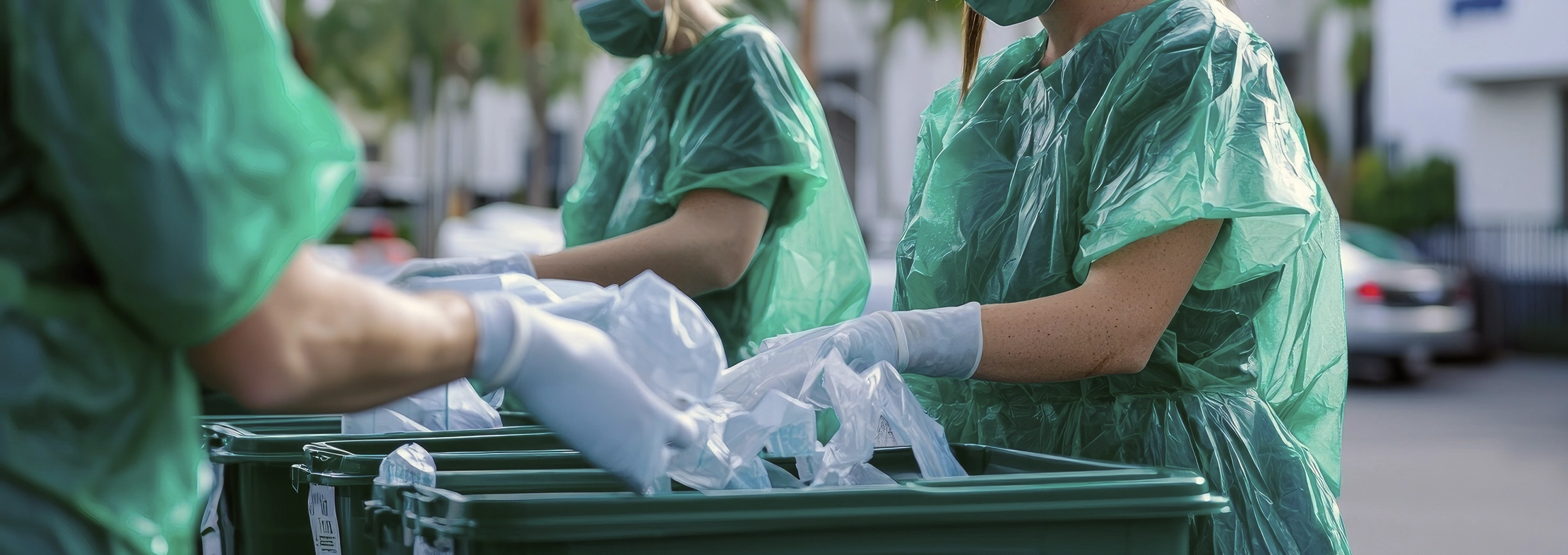
The Company places strong importance on segregation at the point of generation, as it is the foundation of effective waste management across the entire system. It has established waste segregation practices that are aligned with the operational context of each area, including medical service areas, support areas, and office areas, with appropriate bins and collection points to reduce cross-contamination between general waste, recyclable waste, infectious waste, and hazardous waste.
Effective segregation not only reduces safety risks and unnecessary disposal burden, but also helps the organization analyze waste sources more clearly and define more targeted waste reduction measures. In 2025, this was reflected in the increase in recyclable waste and the reduction in hazardous and infectious waste compared with the previous year.

Safe Management of Medical and Hazardous Waste:
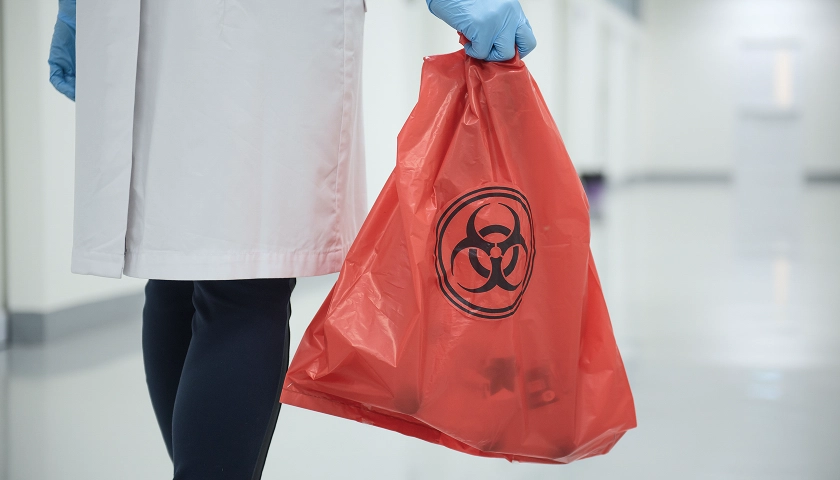
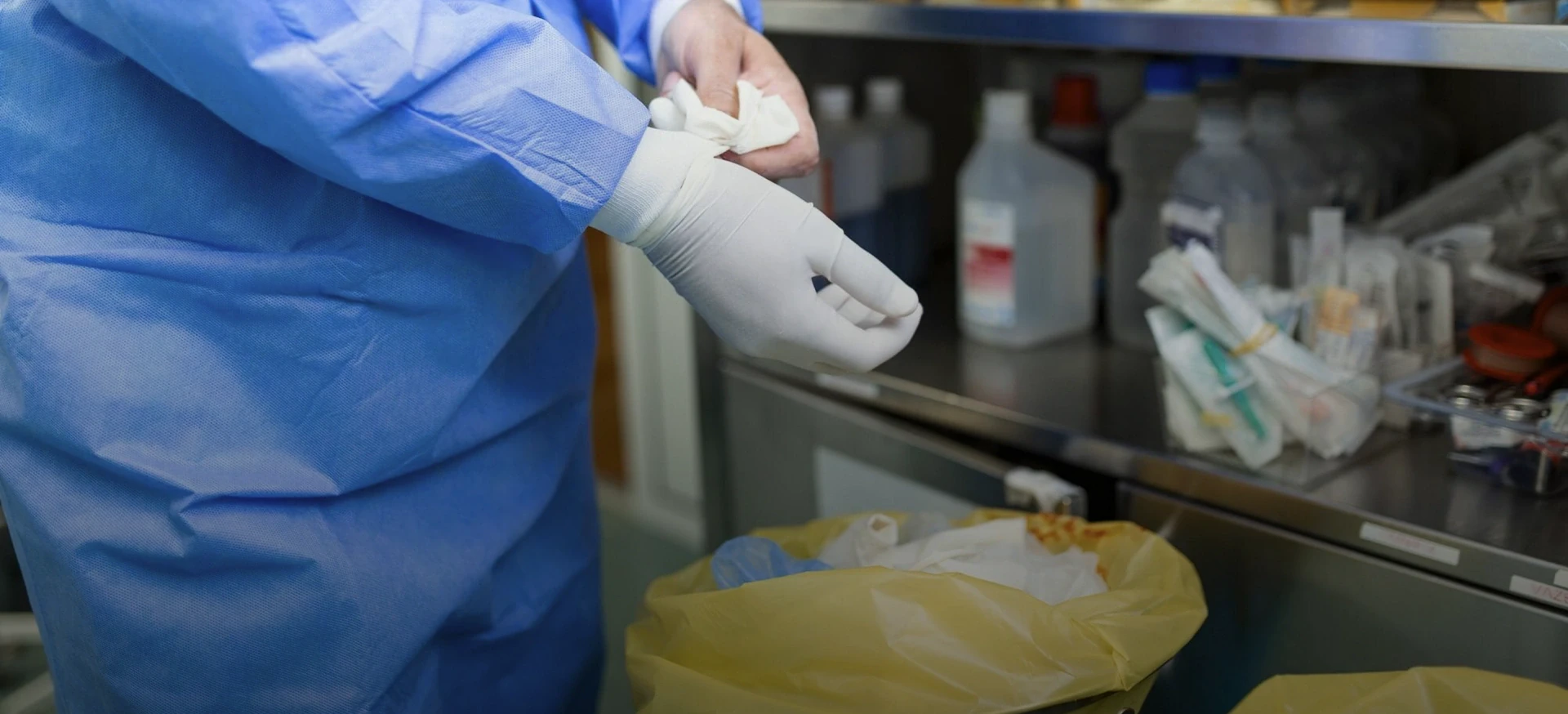
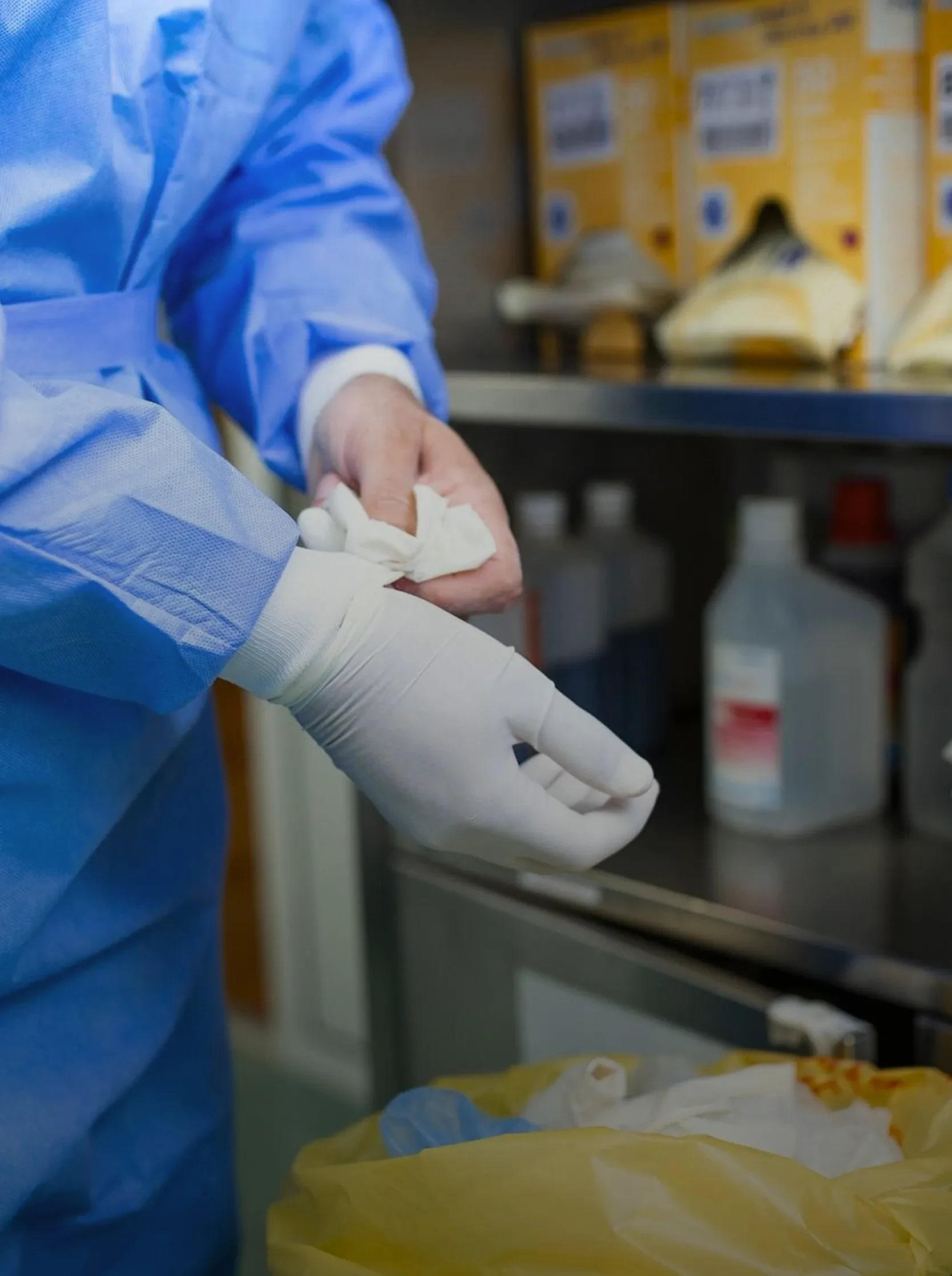
As a healthcare organization, the Company recognizes that infectious waste and hazardous waste require particularly strict control because they are directly linked to the safety of patients, employees, external service providers, surrounding communities, and long-term environmental impacts. The Company therefore treats medical waste management as a key part of its environmental management system and enterprise risk management, covering collection, packaging, internal movement, temporary storage, and handover to legally licensed disposal contractors.

Data Tracking and Verification:

The Company believes that effective waste management depends on data that is accurate, complete, and decision-useful. It therefore continues to strengthen waste data tracking and verification so that the overall picture of waste volume, type, and source can be seen clearly across the organization.
In 2025, the Company strengthened data collection across multiple units to improve consistency and better reflect actual operations. Higher-quality data helps the organization analyze trends, identify improvement areas, define more targeted waste reduction measures, and strengthen the credibility of environmental disclosure. For general waste and waste sent for final disposal, the Company found that 2024 data still had limitations in coverage and was therefore not yet appropriate as a direct base year for landfill reduction targets, while 2025 data became more complete and better supported by evidence.

Awareness and Employee Engagement:
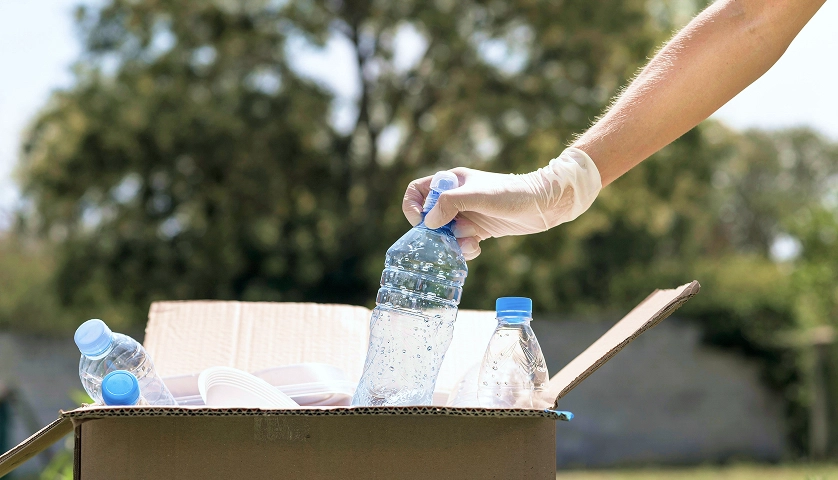
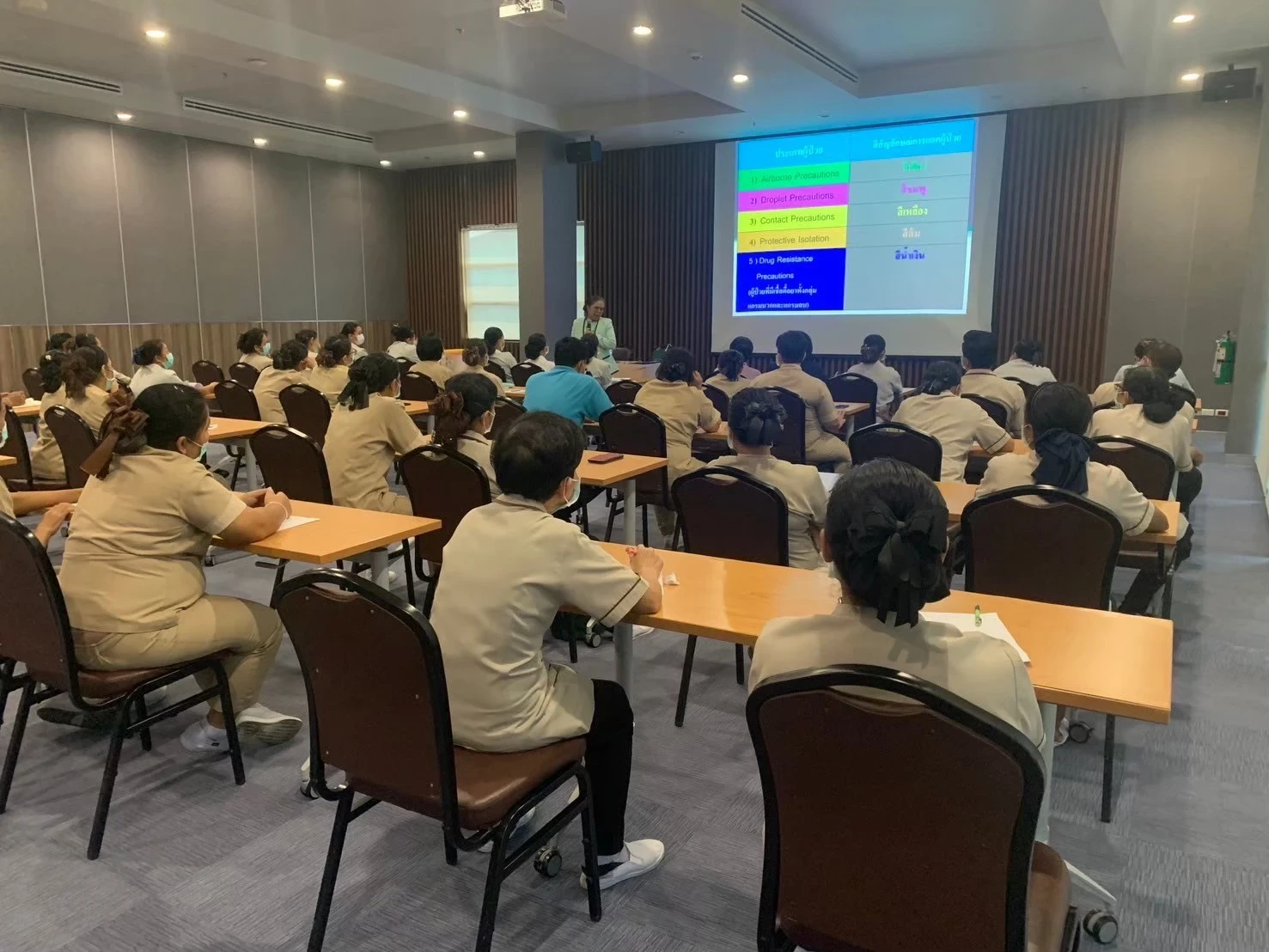
To ensure that waste management delivers real results, the Company places importance on continuously building awareness, understanding, and participation among employees at all levels. Employees are encouraged to recognize that waste management is not the responsibility of a single department, but a shared responsibility connected to service quality, workplace safety, and environmental impact.
In 2025, the Company continued to strengthen its environmental culture through source reduction efforts, regular communication of segregation, storage, and transfer practices, and support for more responsible resource-use behaviors in daily work.
Advancing Toward a Safe and Sustainable Future
To further enhance waste and hazardous material management efficiency in alignment with sustainability goals, Sikarin Public Company Limited has set out future plans focusing on sustainable development.
The Company plans to conduct research and adopt new technologies to minimize waste from medical processes, such as converting infectious waste into renewable energy. It also aims to introduce AI and IoT technologies to monitor and optimize waste segregation processes in real-time, enabling more effective management and forecasting. Furthermore, Sikarin is working to increase recycling rates by collaborating with external organizations to develop systematic recycling programs for medical and plastic waste, while promoting the use of reusable materials across all departments of the hospital.
Regarding the reduction of single-use plastics, the Company plans to accelerate initiatives to reduce plastic consumption by transitioning to eco-friendly alternatives and developing waste reduction practices throughout the hospital's supply chain. Sikarin also emphasizes building partnerships with government agencies and private sector companies to develop standardized, efficient waste management systems and to establish agreements with technology providers specializing in advanced waste treatment solutions.
Our Activities
Activities in community health, employee welfare, innovation, and ESG promotion for sustainability in all dimensions.